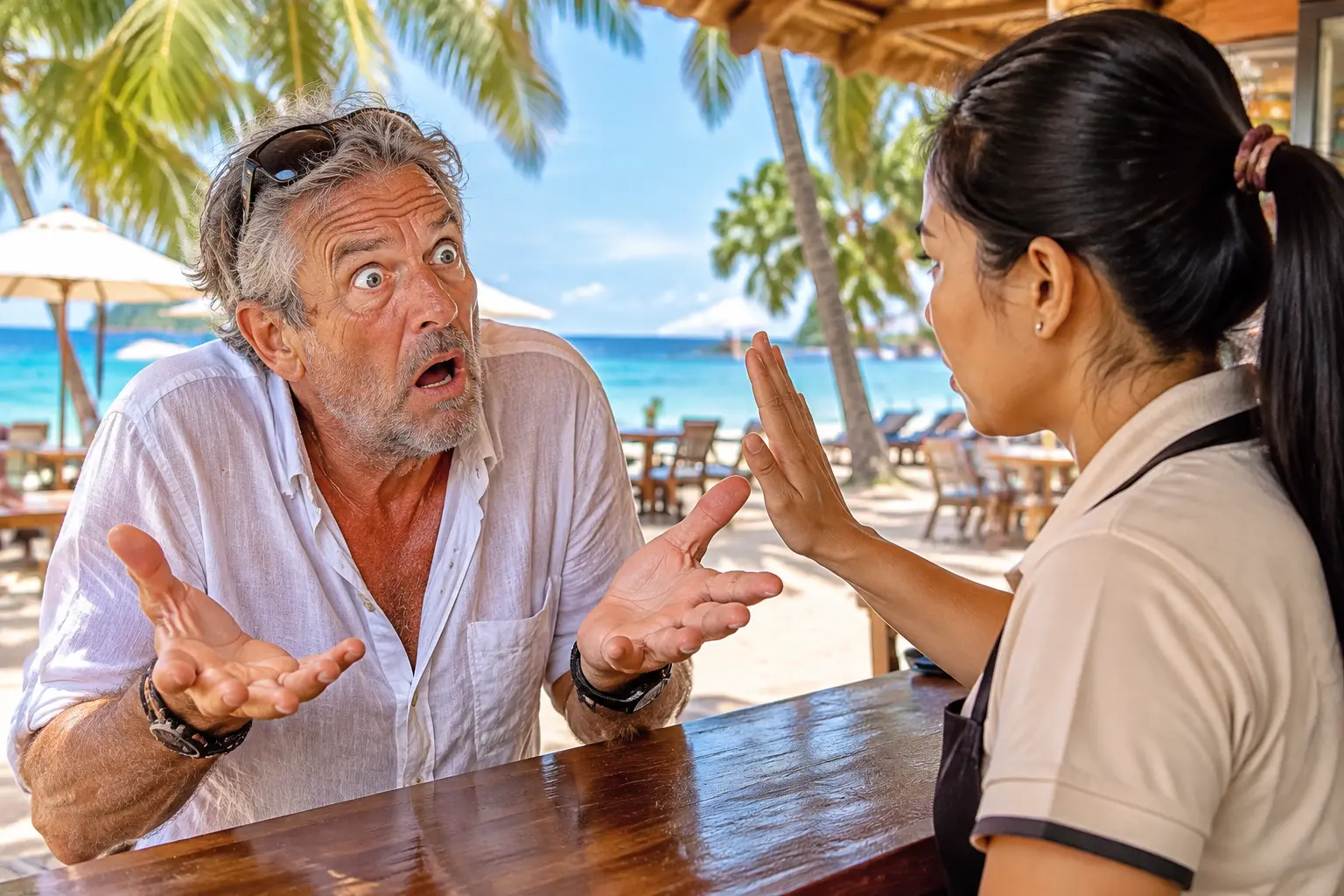

Many visitors to Thailand know this moment. The beach was perfect, the afternoon is hot and the beer cooler at 7-Eleven is right there. But it’s locked, or the clerk just shakes her head: “Mai dai.” It’s a Buddhist holy day, or an election, and the country has gone dry.
It’s one of the few times foreigners in Thailand get treated exactly like locals. Usually the kingdom is quick to sort people into categories. National parks charge foreigners several times what Thais pay to get in, and plenty of hospitals and attractions quietly bill foreigners more. Just this Sunday, Phuket’s newly cleared Freedom Beach was promised free entry for the public but fees for foreign visitors, the Bangkok Post reported. On a booze-ban day, though, everybody gets the same deal. Bar staff won’t negotiate, and pleading at the 7-Eleven counter gets you nowhere. The ban is sacrosanct, and it has spoiled many a holiday.
What all this enforced abstinence actually achieves remains one of the kingdom’s great mysteries. If anyone has ever measured the nation’s sobriety output on a holy day, or proved that Thailand wakes up kinder, wiser and more devout the morning after, the figures have yet to reach the bar counter. The drinking doesn’t vanish, it just moves from the bar stool to the condo balcony, stocked up the night before. Spiritual purity, it turns out, comes in six-packs.
What the new rules allow
Now Thailand has written a few more ways around it into law, at least on paper.
The Alcoholic Beverage Control Committee issued a notification that was published in the Royal Gazette on Nov. 6 and took effect Nov. 7, the Bangkok Post reported. It keeps the nationwide sales ban on Makha Bucha, Visakha Bucha, Asanha Bucha, the start of Buddhist Lent and the end of Buddhist Lent. But five types of venues are exempt:
- passenger areas of airports serving international flights
- licensed entertainment venues regulated under the entertainment venue law
- businesses operating like entertainment venues in designated tourist areas
- hotels registered under the Hotel Act
- venues hosting major national or international events designated by the Public Health Ministry
Public Health Minister Pattana Promphat signed the notification Oct. 9 as committee chairman. It replaces an order the Prime Minister’s Office issued on May 7, 2025, under the previous government, which first cracked the door open. So the “lifting” in the headlines is less a revolution than a rewrite of rules that were already loosening.
Murky fine print
The new rules never say “foreigner.” A Thai guest at a hotel bar can order a whisky just as legally as a tourist from Frankfurt. In practice, though, the exemptions follow the map of tourism: international airports, hotels and the nightlife strips of Bangkok, Pattaya and Phuket. The village shop, the noodle stall and the family restaurant around the corner stay dry.
That’s where it gets vague. What counts as a “designated tourist area,” and which businesses operate “like entertainment venues”? Officials still have to answer both, and the list of approved event venues has yet to come from the public health minister, on the tourism minister’s recommendation. That’s a ton of bureaucracy. Tourist-zone operators must also run checks to keep order and keep alcohol away from children and young people, which is not a recipe for relaxed bar owners.
Convenience stores, supermarkets and ordinary restaurants are not exempt. That cooler at 7-Eleven will be just as locked on the next holy day as before.
The bill for all this purity lands on the people who run bars and restaurants. Under the 2025 rules, only about 3% of Thailand’s 580,000 registered alcohol-selling businesses could legally pour on a holy day, the Alcohol Control Network said at the time, and the anti-drinking group meant that as good news. For the other 97%, five days a year mean empty tables, idle staff and guests who simply stay home. Thaigest could find no official estimate of the lost turnover. Perhaps nobody wants to know what a day of virtue costs.
Election days aren’t covered at all, so the dry spell around polling day stays as it is for everyone.
None of the five holy days falls in November, so the first real test comes with Makha Bucha early next year. Expect the familiar scenes: confused tourists, apologetic staff and an empty bar stool where someone just learned that the law prefers a clear head.
The old advice still applies: check the calendar, and stock up in time.